Unveiling Hermetic Interfaces: Security in Closure Methods


In today’s rapidly changing world, the demand for dependable and secure connections in multiple industries has never been more critical. From aviation to medical devices, the importance of protecting sensitive components from external conditions cannot be emphasized enough. This is where hermetically sealed connectors prove vital, offering an advanced solution that provides protection and integrity in the harshest conditions.
These connectors are engineered to form an airtight seal that stops moisture, dust, and other contaminants from infiltrating the connection points. By employing specialized materials and manufacturing techniques, these connectors deliver a unique combination of durability and functionality. In the next parts, we will explore how these cutting-edge sealing technologies work and the significant advantages they provide across diverse applications.
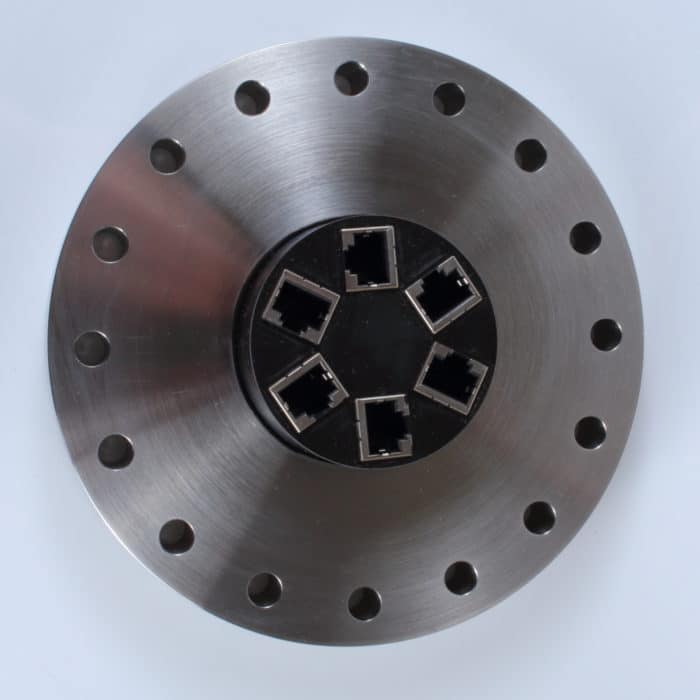
Grasping Sealed Connectors
Hermetic connectors are specialized electrical connectors engineered to provide a full seal against external factors such as moisture, dirt, and vapors. These connectors are crucial in applications where keeping a tight seal is essential for preventing pollution and providing dependable performance. The term "hermetic" denotes the ability to hold a substance, which in this case pertains to the electric connections from outside elements that could complicate functionality.
The construction of hermetic connectors typically uses materials that offer superior sealing properties, such as glass, conductors, or custom plastics. These materials are often molded or joined together to create a seal that prevents the entry of moisture and vapors. The hermetic sealing process is essential in critical environments, including aeronautics, defense, and clinical applications, where exposure to severe conditions can result in malfunction.
In addition to contamination prevention, hermetic connectors also ensure electrical isolation, preventing short circuits and ensuring reliable operation. The design might feature characteristics like interlocking interfaces or sealed seals, further enhancing their durability. Understanding the operational principles of these connectors allows sectors to select the right solutions that align with their stringent performance and safety standards.
Applications and Benefits
Hermetic connectors are essential in various fields where environmental conditions can jeopardize the functionality of electronic parts. In aviation applications, for instance, these connectors ensure that delicate instruments remain immune by moisture, dust, and harsh temperatures. The dependability of hermetic connectors in such challenging environments makes them crucial for essential operations, where breakdown is not an option.
In the medical industry, hermetic sealed connectors play a crucial role in the functionality of devices such as protheses and diagnostic tools. By providing a robust seal against organic contaminants and fluids, these connectors help ensure the security and efficacy of medical devices. Their application contributes to patient safety, ensuring that devices operate correctly and do not introduce risks associated with leakage or contamination.
The advantages of hermetic sealed connectors carry over into the telecom and automotive sectors as well. In telecom, they help protect communication equipment from severe weather conditions, enhancing durability and performance. Similarly, in automotive applications, hermetic seals safeguard electronic components from contact with liquids and airborne particles, contributing to the durability and robustness of modern vehicles. Overall, the application of hermetic sealed connectors is vital for ensuring the safety and longevity of a diverse set of technologies.
Safety Standards and Regulations
When dealing with sealed hermetic connectors, compliance to safety standards is paramount. These connectors often serve vital functions in industries such as aerospace, healthcare, and telecommunications, where dependability and protection from environmental factors are essential. Regulations set by organizations like the International Electrotechnical Commission and the IEEE (Institute of Electrical and Electronics Engineers) set guidelines for the design, manufacturing, and testing of these components to ensure they can tolerate harsh conditions without putting at risk safety.
Companies of hermetic sealed connectors must adhere with certain performance standards, including resistance to water, contaminants, and chemical attack. Standards like the IEC 60529 standard provide ratings for protection against ingress (IP) that indicate the level of sealing capability. Additionally, various military and aerospace standards, such as MIL-STD-810, specify testing protocols to ensure connectors perform properly under demanding conditions, further promoting safety in their use.
Beyond performance specifications, manufacturers also concentrate on certification protocols to confirm the safety and reliability of their hermetic sealed connectors. Testing labs often test these connectors against accepted benchmarks, ensuring that they satisfy or go beyond safety requirements. By complying with these standards and regulations, manufacturers not only enhance the quality of their products but also contribute to the overall reliability and credibility of the systems in which these connectors are used.